
InterVol has an annual process in place that works around the academic year at each of our university groups:
1. Student volunteers apply to join their societies and attend information and selection days (October – December).
2. Volunteers are selected, interviewed and placed in teams (December-January). We do not accept every volunteer that applies for InterVol and carefully select teams based on the skill-sets required.
3. Placement teams receive training in cultural awareness, child protection, and first aid as they fund-raise as a group towards a target to provide a grant to the partners charity (January – June). This includes training on security, health overseas, and motivations and risks of volunteering overseas for all for volunteers.
4. Volunteers take part in relevant local (UK) community volunteering initiatives throughout the academic year, to develop their skills in a familiar setting before having the opportunity to go overseas with our placement partners. This is to make sure that time spent on overseas projects is as impactful as possible, as well as to benefit their local communities.
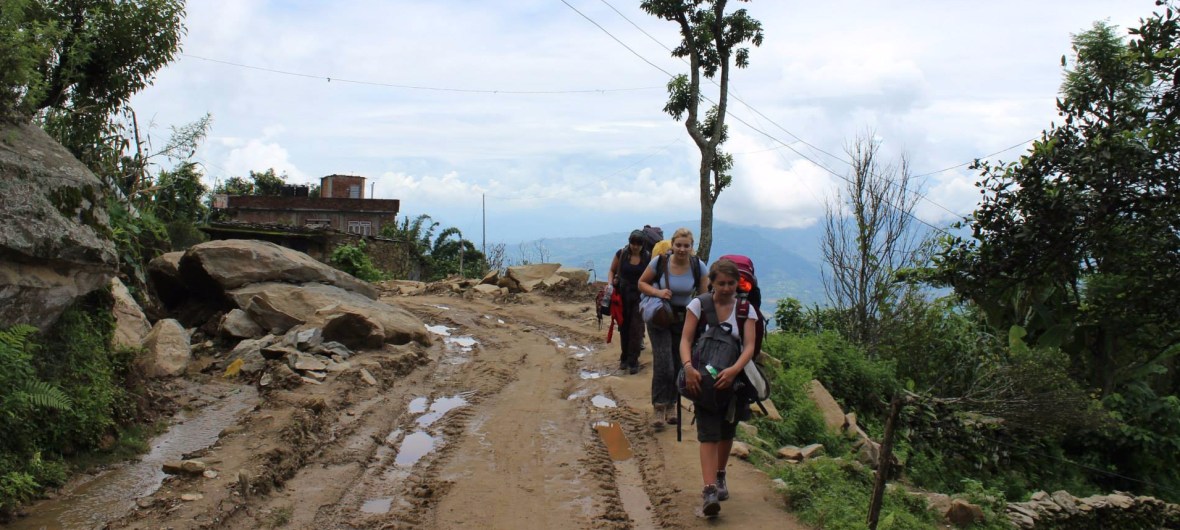
5. Volunteers travel to their placements, which typically last between 2-8 weeks. Many volunteers choose to travel for leisure after their project is completed (June-September), covering their own travel and accommodation costs both during their project and after. Placements are organised with the partner charities.
6. Placements are evaluated for their impact, ethics, sustainability by the InterVol committees, partner NGOs and trustees (September-October).
Check out our current university-based societies and their overseas project partners under the ‘Universities’ and ‘Placements’ tabs.
 InterVol